

Welcome to your November update from The New Phytologist Foundation. This month, we're introducing Policy Briefs; plus, join next generation scientists online, discover our flagship reviews and see our latest calls for papers and events.
Introducing Policy Briefs: a new article type for generating impact at the intersection of plants, society and the planet
Publishing innovative research with societal and real-world impact is central to the mission of Plants, People, Planet.
That’s why our articles include Societal Impact Statements. These short and engaging statements allow authors to clearly highlight why their research findings matter to people, society, and the planet.

Plants, People, Planet recently launched a new article type, Policy Briefs: clear, evidence-based recommendations that bridge the gap between scientific research and policy action.
Check out the first Policy Brief below:
New Phytologist next generation scientists 2026: keynote speakers announced, join online
Join us online for this year's New Phytologist next generation scientists symposium.
📅 1–4 December 2026
Keynote talks from:
Erika Edwards, Yale University, USA
Jonathan Gershenzon, Max Planck Institute for Chemical Ecology, Germany
Ankila Hiremath, National Centre for Biological Sciences, India
Sona Pandey, Donald Danforth Plant Science Center, USA
Alok Krishna Sinha, BRIC – National Institute of Plant Genome Research, India
Ian Wright, Western Sydney University, Australia
The full programme is now available and includes selected talks from delegates, panel discussions on publishing and careers in plant science, and more.
Many sessions will also be available to watch on demand following the symposium.
Calls for papers
News
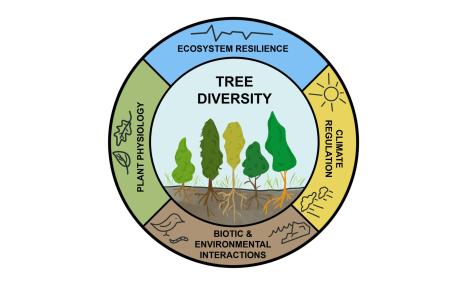
Call for papers: Linking tree diversity, ecosystem resilience and climate regulation
A New Phytologist and Plants, People, Planet Special Collection
Manuscript submission deadline: 28 February 2027

News
Call for papers: Forest interactions
A New Phytologist and Plants, People, Planet Special Collection
Abstract submission deadline: 1 February 2027
Manuscript submission deadline: 1 May 2027
Our flagship review series
We highlight recent reviews from New Phytologist and Plants, People, Planet.
Tansley reviews and Tansley insights form New Phytologist’s flagship review series.
Plants, People, Planet’s Thomas Reviews are authoritative and accessible articles on topics at the intersection of plants, people, and the planet.
Tansley review
Linking genomic variation to floral trait adaptation across species boundaries
Samson Acoca‐Pidolle, Carolyn A. Wessinger, Lena C. Hileman
Tansley insight
Emerging roles of inositol pyrophosphates in plants: from environmental stress acclimation to hormonal responses and terrestrialization
Kuheli Chalak, Akhila Jayamon, Debabrata Laha
Thomas Review
Food plant diversity in a rapidly changing world
Colin K. Khoury, et. al.
Catch up on the latest issues of New Phytologist and Plants, People, Planet
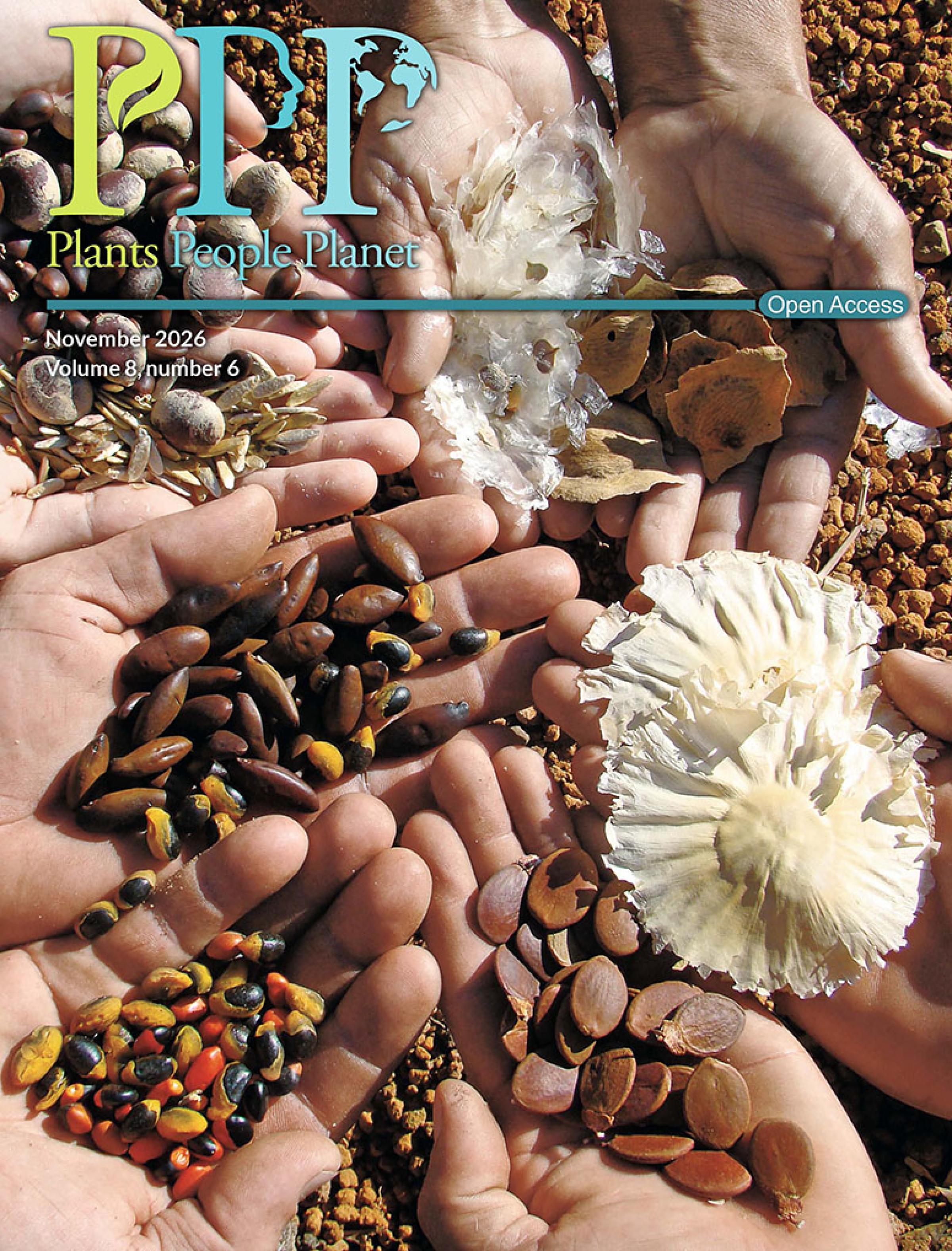
Plants, People, Planet
Vol 8, Iss 6, November 2026
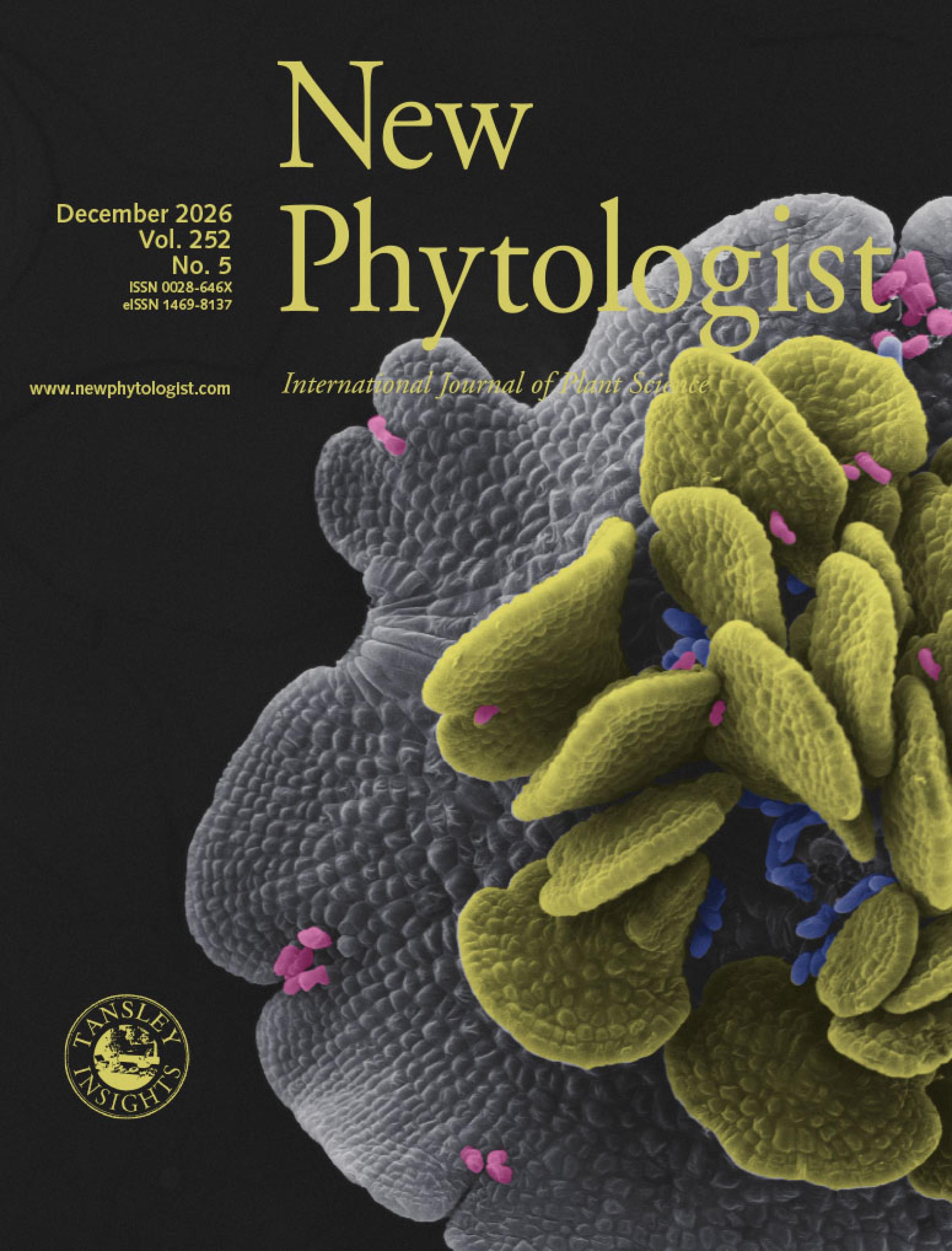
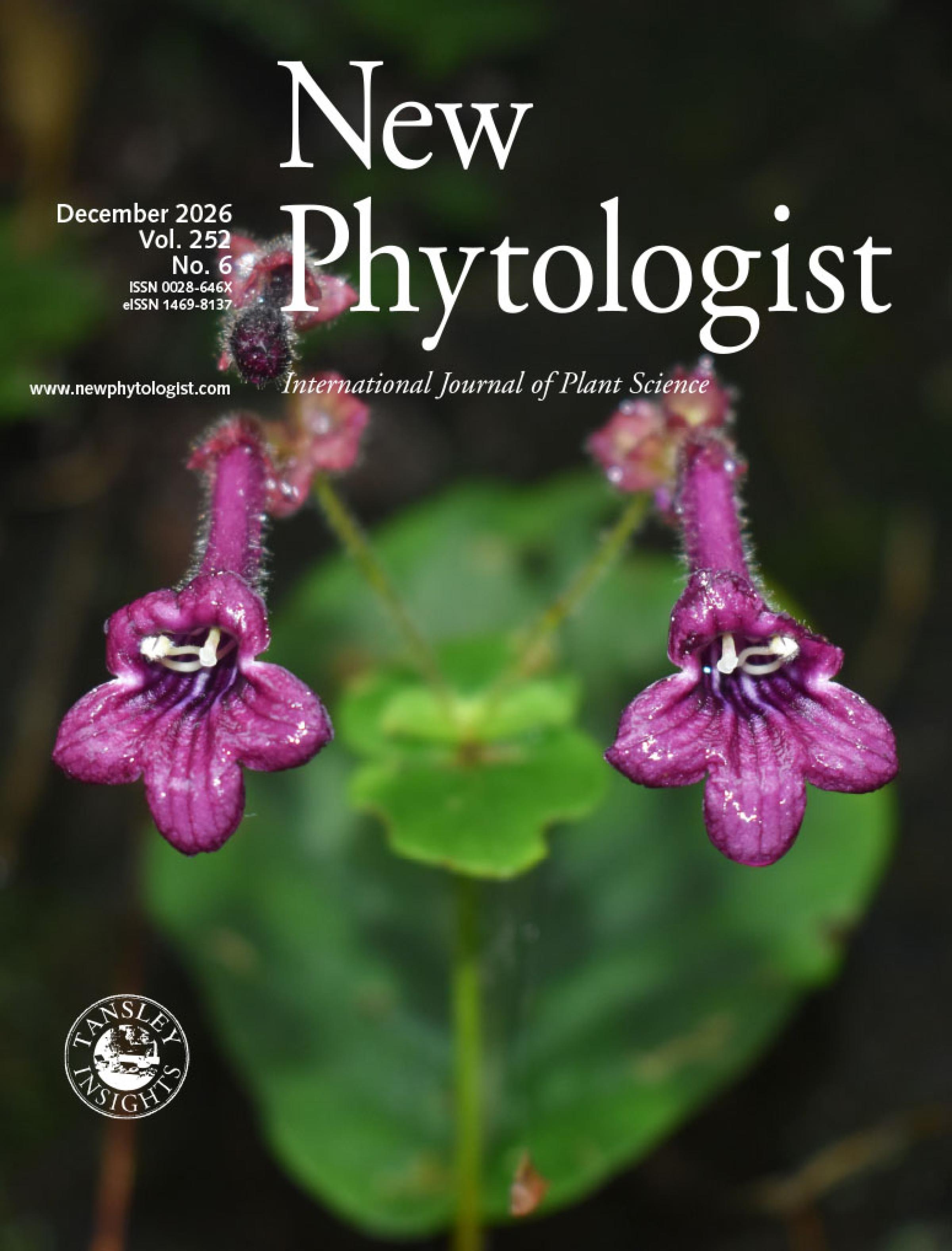
New Phytologist
Vol 252, Iss 5, December 2026
New Phytologist
Vol 252, Iss 6, December 2026
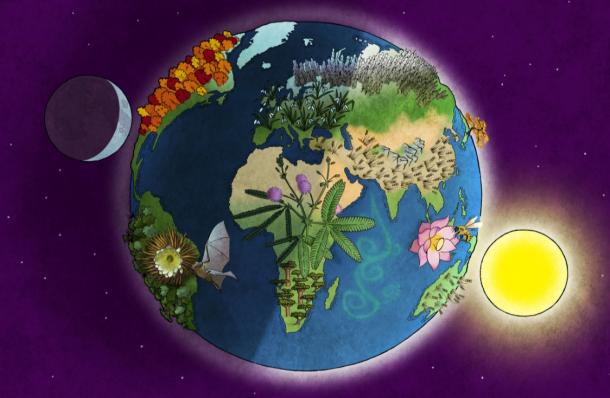
Submit your abstract for the 49th New Phytologist Symposium: Biological timing in photosynthetic organisms
📅 24–27 May 2027
📍 John Innes Centre, Norwich, UK
Registration and abstract submission are open!
The symposium will focus on the importance of biological timing across all scales of plant biology, from molecules to organisms, communities, and ecosystems.
Deadline for abstracts and travel grant applications: 25 January 2027
Future New Phytologist Symposia

Event: Next generation scientists
New Phytologist next generation scientists 2027
Applications to attend will close on 31 January 2027.

2027 New Phytologist Editor-in-Chief Symposium
Five years of Transformative Plant Biotechnology at New Phytologist
Celebrating five years of transformative plant biotechnology, exploring recent advances, emerging opportunities and future directions across the broad spectrum of plant biotechnology.
Registration and abstract submission opening soon!
Abstract submission closes: 15 February 2027.

50th New Phytologist Symposium
Evolution of plant reproductive strategies
Explore the diversity of plant reproductive strategies through integration of perspectives across evolutionary biology, genetics, ecology, physiology, and developmental biology.
Get the latest updates in your inbox
Sign up to The New Phytologist Foundation's mailing list to receive updates tailored to your preferences.