
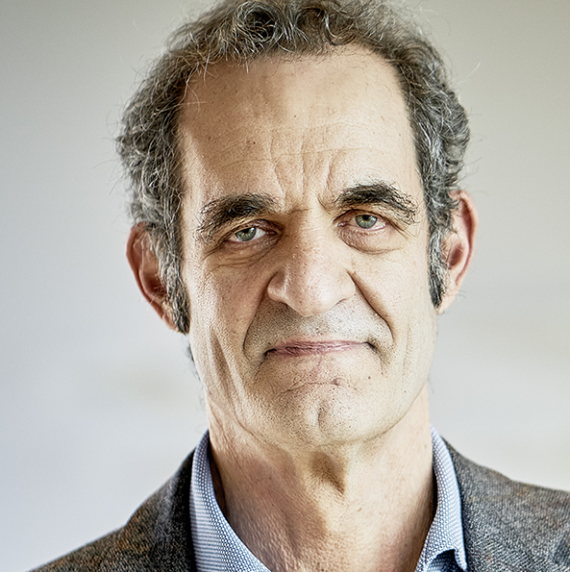
Biography
Jonathan grew up in the United States and first became interested in plants as an undergraduate student at the University of California, Santa Cruz. After PhD research in plant chemistry and chemotaxonomy at the University of Texas at Austin, he moved to Washington State for post-doctoral research to investigate the biosynthesis of terpene specialized metabolites in plants. He then came to Germany and accepted a position as Director of the Department of Biochemistry at the Max Planck Institute for Chemical Ecology in Jena and as Professor at the Friedrich-Schiller University, also in Jena. His work has concentrated on the biochemical bases of interactions between plants and their insect herbivores, with emphasis on the glucosinolates of the Brassicaceae and terpenes and other volatile compounds, including their formation and roles in plant defense. In the last few years, his research has focused on interactions between conifers and bark beetles and how insects resist plant chemical defenses.
Lack of antagonism between salicylic acid and jasmonate signalling pathways in poplar
Chhana Ullah, Axel Schmidt, Michael Reichelt, Chung‐Jui Tsai, Jonathan Gershenzon
Selection strengthens the relationship between plant diversity and the metabolic profile of Plantago lanceolata
Pamela Medina‐van Berkum, et. al.
Strigolactone deficiency induces jasmonate, sugar and flavonoid phytoalexin accumulation enhancing rice defense against the blast fungus Pyricularia oryzae
Zobaida Lahari, et. al.